


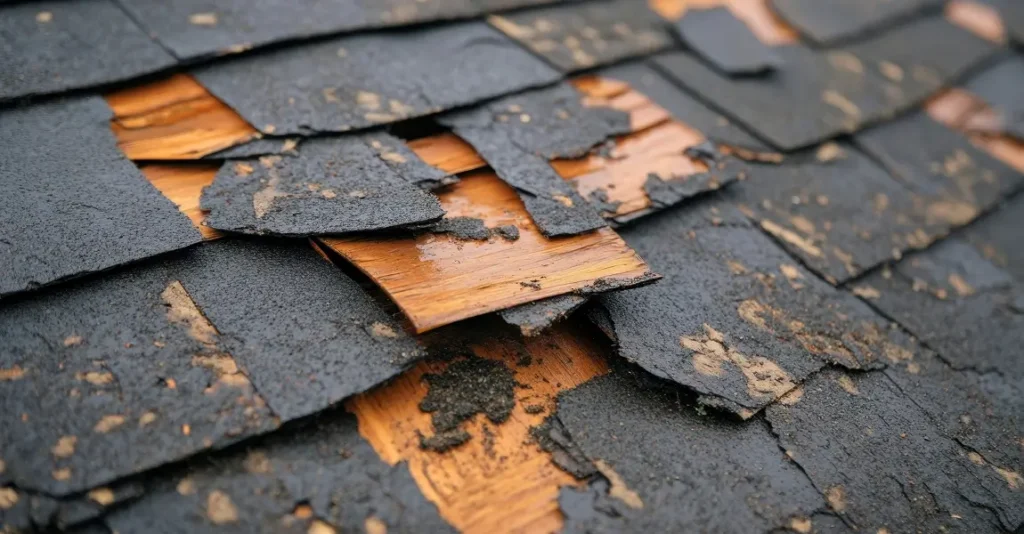
When winter cold fronts move through Orlando and Winter Park, many homeowners are surprised to discover roof leaks—sometimes hours or days after the weather clears. Winter roof leaks in Florida are far more common than most people expect, especially across Central Florida where sudden wind shifts, pressure changes, and temperature drops stress roofing systems that already endure year-round heat.
While Florida doesn’t experience freezing temperatures, winter storms introduce a different kind of threat. Cold fronts bring strong gusts, sideways rain, and rapid cooling, which can lift shingles and open moisture pathways that remain hidden until damage appears inside the home.
This guide explains:
Why winter roof leaks happen in Orlando and Winter Park
How roof age and prior storm exposure increase risk
What licensed roofers see after winter cold fronts
How homeowners in Orlando, Tampa, and Sarasota can prevent seasonal roof damage
Why Winter Roof Leaks in Florida Happen More Than Homeowners Expect
Most homeowners associate roof leaks with hurricanes or heavy summer storms. However, winter cold fronts create a different type of roof stress. Licensed roofing contractors across Central Florida report that many winter service calls are caused not by heavy rain, but by wind uplift.
When winter pressure changes move through Orlando and Winter Park, shingles can lift just enough to break their adhesive seals. Once those seals are compromised, even light rainfall can enter the roof system.
From the street, the roof often looks normal. Inside the attic, moisture slowly travels along the underlayment and decking—eventually revealing itself as a ceiling stain or soft spot.
This hidden damage explains why winter roof leaks in Florida frequently appear days after the cold front passes.
How Cold Front Winds Trigger Winter Roof Leaks in Orlando & Winter Park
Shingles are designed to lie flat and stay bonded. During winter wind events, air pressure pushes upward beneath shingle edges—especially on north- and west-facing slopes common in Central Florida homes.
Once lifted, water can travel:
Beneath shingles
Across aged underlayment
Into roof decking
Along rafters and trusses
Through ceiling drywall
Professional roofers refer to this as a moisture tracking pathway, and it is one of the most common causes of winter roof leaks in Florida.
A Real Central Florida Scenario: Winter Leak After a Cold Front
Last winter, a Winter Park homeowner contacted a local roofing company after noticing a faint discoloration forming on their living room ceiling. There had been no major rainstorm—only a windy cold front two days earlier.
A professional roof inspection revealed:
Lifted shingles on the wind-facing slope
Moisture lines along the underlayment
Early softening in the roof decking
The leak was not caused by rainfall intensity, but by wind damage that allowed moisture to seep in afterward. This type of scenario is especially common in homes with roofs 10 years or older.
Florida Microclimates That Increase Winter Roof Leak Risk
Florida’s winter conditions vary by region, but several factors increase leak risks across Orlando, Winter Park, Tampa, and Sarasota.
Rapid Temperature Drops
Winter cold fronts can lower temperatures by 15–25 degrees in hours. Roofing materials contract quickly, opening gaps along weakened seams.
Strong Seasonal Winds
Even inland cities like Orlando experience wind uplift during winter fronts, while Tampa and Sarasota face added coastal exposure.
Pre-Front and Post-Front Moisture
Light rain following wind damage is enough to create active leaks.
Accelerated Roof Aging
Florida’s intense UV exposure weakens shingles year-round, making winter uplift more likely.
What Licensed Roofers Commonly Find During Winter Leak Inspections
Roof maintenance inspections during winter frequently uncover:
Shingle uplift – the leading cause of winter roof leaks in Florida
Cracked or brittle seal strips
Flashing separation around vents and skylights
Aged underlayment that no longer repels moisture effectively
Tile roof movement after strong wind bursts
Metal roof fastener movement from temperature fluctuations
Each of these issues becomes more visible during winter than other seasons.
Early Warning Signs Homeowners Should Watch For
Winter leaks often begin subtly. Homeowners in Orlando and Winter Park should watch for:
Ceiling discoloration or bubbling paint
Musty odors near attic access
Granules collecting in gutters
Slightly lifted shingle edges
Damp attic insulation
If you notice any of these signs, scheduling a professional roof inspection can prevent minor issues from becoming major repairs.
How Roof Materials Respond Differently During Florida Winters
Asphalt Shingles
Florida heat dries and weakens adhesives over time. Winter contraction increases uplift risk.
Tile Roofing
Windborne debris and temperature swings can shift tiles or crack ridge mortar.
Metal Roofing
Metal expands and contracts with temperature changes. Older systems may develop gaps if fasteners loosen.
Understanding how your roof material responds to winter conditions helps determine the right maintenance approach.
Why Florida Roofing Expertise Matters
Winter roof leaks in Florida are driven by:
Wind uplift
Broken seal strips
Sideways rain
Moisture tracking
These factors differ significantly from northern climates, where freeze-thaw cycles dominate. That’s why working with a local, licensed roofing contractor who understands Florida-specific weather patterns is critical.
How Titanium Roofing Experts Diagnose Winter Roof Leaks
Titanium Roofing Experts uses a documentation-based inspection process, including:
Detailed photo evidence
Moisture meters for hidden leaks
Florida Building Code–compliant assessments
Local storm pattern analysis
Clear repair and maintenance recommendations
Our inspections focus on education, transparency, and long-term roof performance.
Why Early Roof Maintenance Prevents Bigger Winter Damage
Once moisture enters a roof system, it rarely stays isolated. Left unaddressed, winter roof leaks in Florida can spread into:
Roof decking
Insulation
Wall cavities
Ceiling drywall
Early maintenance is significantly more cost-effective than major repairs or replacements. Many homeowners in Orlando and Winter Park schedule winter inspections proactively—even without visible leaks.
This content is educational and informational only. It does not imply or guarantee insurance coverage outcomes.
Final Thoughts for Orlando & Winter Park Homeowners
Winter may feel mild, but Florida roofs experience powerful wind events and pressure changes every season. Understanding the causes of winter roof leaks in Florida helps homeowners stay ahead of costly repairs.
Whether your roof is aging, recently weathered storms, or simply due for maintenance, now is the right time to act.
Schedule a residential roof inspection in Orlando or Winter Park today.
Frequently Asked Questions
What causes winter roof leaks in Florida if temperatures don’t freeze?
Wind uplift during cold fronts breaks adhesive seals, allowing moisture intrusion.
Are older roofs more vulnerable to winter leaks?
Yes. UV exposure weakens shingles, making uplift more likely.
Can tile roofs leak during winter in Florida?
Yes. Tiles can shift or crack during strong wind events.
Should homeowners inspect roofs after cold fronts?
If you notice stains, lifted shingles, or attic moisture, an inspection is recommended.
Does ventilation affect winter roof leaks?
Poor ventilation traps moisture, increasing the severity of leaks.