


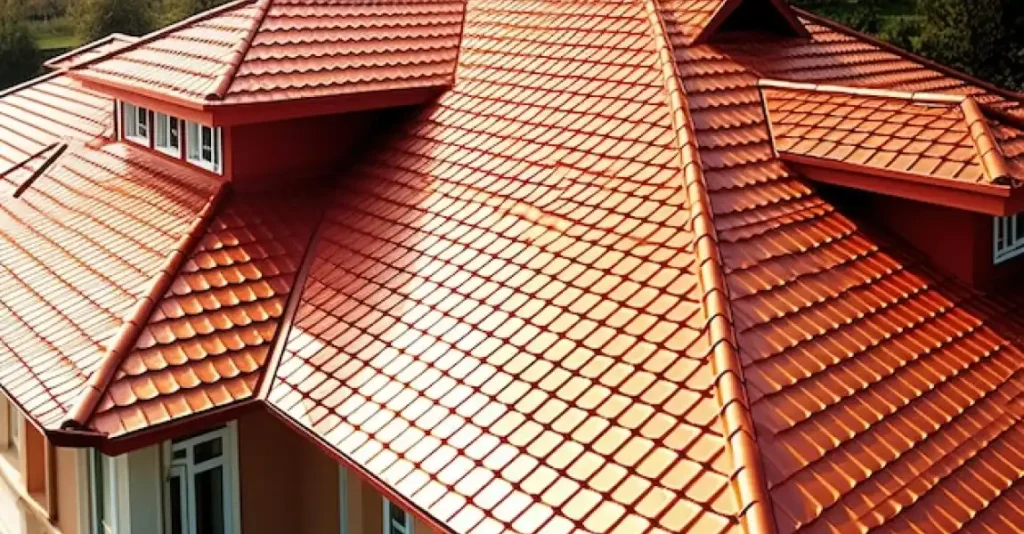
Tile roofs are built for Florida’s climate, but winter still places unique stress on them. In Orlando and Winter Park, cool nights following warm, sunny days often lead to a common seasonal issue: tile roof cracks in Florida winter. While our temperatures rarely dip to freezing, rapid shifts from daytime heat to cooler evening air cause tile materials to expand and contract quickly.
Over time, this movement weakens tile surfaces—especially on older roofs or homes exposed to open wind corridors. Homeowners are often surprised to discover cracked tiles after winter cold fronts, even when no major storms occurred.
This guide explains:
Why tile roof cracks are more common during Florida winters
How Central Florida weather patterns contribute to tile stress
What licensed roofers look for during winter inspections
How homeowners in Orlando, Winter Park, Tampa, and Sarasota can prevent seasonal tile damage
Why Winter Conditions Trigger Tile Roof Cracks in Florida
Florida winters bring sharper temperature changes than many homeowners expect. According to NOAA data, cold fronts can drop temperatures by 15–25 degrees within a few hours. When concrete or clay tiles heat up during the day and cool rapidly after sunset, they expand and contract repeatedly.
This process—known by roofing professionals as thermal cycling—creates internal stress within the tile. At first, tiny micro-fractures form beneath the surface. Over multiple cold nights, those fractures widen into visible cracks.
This is why tile roof cracks in Florida winter often appear without heavy rain, hurricanes, or debris impact.
Additional Winter Stress Factors That Increase Crack Risk
Beyond temperature swings, licensed roofers commonly see several contributing factors during winter inspections:
UV-related brittleness from year-round sun exposure
Underlayment movement beneath aging tile systems
Winter wind bursts lifting loose or improperly fastened tiles
Moisture intrusion through hairline cracks that expand over time
These conditions are most common on tile roofs 10 years or older, especially if routine maintenance has been deferred.
A Central Florida Example: Cracked Tiles After a Winter Cold Front
Last January, a Winter Park homeowner contacted a local roofing company after noticing several cracked tiles along a sun-exposed roof slope. The homeowner initially assumed the damage came from falling debris or a summer storm.
A professional roof inspection revealed a different cause. Just days earlier, a winter cold front had passed through Central Florida, dropping nighttime temperatures significantly. The tiles absorbed heat all day, then contracted rapidly after sunset—creating spiderweb-like fractures across the most exposed areas.
There was no wind damage and no storm debris. This type of cracking is common during Florida winters and often goes unnoticed without a roof-level inspection.
Florida Weather Patterns That Increase Tile Roof Cracks
Rapid Temperature Drops
Sudden nighttime cooling causes tiles to contract quickly, stressing older materials.
Seasonal Wind Events
Short winter gusts can shift loose tiles, exposing edges to impact and stress.
Prolonged Sun Exposure
Florida roofs experience intense UV radiation year-round, weakening tile surfaces before winter arrives.
Moisture Cycling
Humidity combined with cooler nights allows moisture to expand within micro-cracks.
Coastal Air (Secondary Regions)
In cities like Tampa and Sarasota, salt-laden air accelerates surface wear, increasing crack susceptibility.
These hyperlocal factors make Florida-specific roofing expertise essential for tile roof maintenance.
How Licensed Roofers Diagnose Tile Roof Cracks in Florida
Professional winter inspections go beyond spotting visible cracks. Experienced roofers evaluate:
Surface Fractures
Early-stage craze cracks that indicate thermal stress.
Loose or Shifted Tiles
Even minor movement can trigger additional cracking.
Underlayment Condition
Cracks may signal deeper moisture protection issues.
Ridge and Hip Tiles
These areas experience the highest thermal load.
Valleys and Vent Transitions
High expansion zones prone to stress-related damage.
Inspections typically include both rooftop and attic evaluations to assess whether cracks affect the roofing system beneath the tiles.
To learn more, visit our Tile Roofing Services page.
How Florida Tile Roof Cracks Differ From Other States
Roof cracking varies widely by region:
Northern states experience freeze-thaw damage and ice expansion
Midwestern regions see impact damage from hail
Florida tile roof cracks are primarily caused by thermal stress, UV exposure, and humidity
This distinction is why out-of-state roofing advice often fails to address Florida-specific issues.
How Different Tile Types Respond to Florida Winters
Concrete Tile
Dense and durable, but becomes brittle after years of sun exposure, increasing winter crack risk.
Clay Tile
More porous and responsive to temperature changes; prone to surface cracking before structural failure.
Synthetic Tile
More flexible than traditional materials, but older systems still experience winter stress.
Roof inspections should always account for tile type, age, and installation method.
Why Tile Cracks Appear in the Same Locations
Roofers frequently observe tile roof cracks in Florida forming in predictable areas:
Ridge tile corners
Roof slopes facing early morning sun
Valley edges
Areas above uneven decking
Tiles near ventilation gaps
Roof sections exposed to open airflow
Winter conditions accelerate movement that has been developing for months or years.
How Homeowners Can Prevent Tile Roof Cracks in Florida Winter
Homeowners in Orlando and Winter Park can reduce winter crack risks by:
Scheduling pre-winter roof inspections
Clearing debris that traps moisture on tile surfaces
Sealing vulnerable ridges and transitions
Improving attic ventilation to reduce heat buildup
Replacing cracked tiles promptly
Avoiding foot traffic on tile roofs, especially in winter
These steps significantly extend tile roof lifespan and reduce repair costs.
Winter Maintenance Tips From Florida Roofing Professionals
Licensed roofers recommend:
Visual tile checks after cold fronts
Monitoring for unusual shifting sounds during wind
Clearing valleys and drainage paths
Inspecting overhang areas that cool faster than interior roof sections
Early winter inspections are one of the most effective ways to prevent widespread tile damage.
This content is educational and documentation-based only. It does not imply or guarantee insurance claim outcomes.
Final Thoughts for Orlando & Winter Park Homeowners
Tile roofs are durable and well-suited for Florida homes—but winter temperature swings still place them under stress. Understanding what causes tile roof cracks in Florida winter allows homeowners to act early and avoid costly repairs.
Whether you’ve noticed cracked tiles or want to prepare before the next cold front, proactive maintenance is key.
Schedule a professional tile roof inspection in Orlando or Winter Park today.
Frequently Asked Questions
What causes tile roof cracks in Florida winter?
Rapid nighttime cooling causes tiles to contract, leading to stress fractures.
Can cracked tiles cause leaks?
Yes. Cracks allow moisture intrusion that can damage underlayment and decking.
Are cracks always visible from the ground?
No. Many are only discovered during roof-level inspections.
Do coastal areas experience more cracking?
Yes. Salt exposure and stronger winds increase surface wear in cities like Tampa and Sarasota.
What’s the best prevention method?
Routine inspections, proper ventilation, and prompt tile replacement.